
Why Your Skin Barrier Won’t Heal After Tretinoin: Causes and a Realistic Recovery Plan
If your skin still feels tight, irritated, or sensitive weeks after using tretinoin, you’re not alone. Many people expect peeling and redness to go away quickly — but sometimes the damage goes deeper than a simple adjustment phase. This guide explains why your barrier may not be healing, and what to do step by step to recover safely.
Quick Summary
- → Tretinoin temporarily weakens the barrier — damage is common if used incorrectly
- → Stop all actives and simplify your routine immediately
- → Focus on ceramides, panthenol, and centella for repair
- ✕ Don’t restart tretinoin until skin is fully stable
In this guide
What is the skin barrier and why it matters
Your skin barrier is the outermost layer of your skin — a protective shield that keeps moisture in and blocks irritants, allergens, and bacteria. When it’s damaged, you may notice redness, tightness, flaking, burning, or increased sensitivity.
Repairing the barrier means restoring moisture, calming inflammation, and protecting your skin while it rebuilds. If you’re not sure whether your barrier is damaged, start here: Complete Skin Barrier Repair Guide →
How tretinoin affects your skin
Tretinoin increases skin cell turnover and helps with acne and signs of aging. However, it also weakens the barrier temporarily and can cause irritation if not introduced carefully.
Normal reaction
- Mild peeling
- Temporary redness
- Improves within a few weeks
Barrier damage
- Persistent dryness
- Burning or stinging
- Worsening irritation
- No improvement after stopping
If your symptoms match the second column, your focus should be repair — not continuing active treatments.
Why your skin barrier won’t heal after tretinoin
In most cases, the issue is not just tretinoin itself — it’s how it was used. Common causes include:
- Using tretinoin too frequently or at too high a strength
- Applying it on damp skin (increases penetration and irritation)
- Not using enough moisturizer
- Combining with exfoliating acids or other actives
- Using harsh or foaming cleansers
Important: Other factors like rosacea, eczema, environmental dryness, or poor routine habits can also slow down healing. Many people unintentionally continue damaging their barrier while trying to fix it.
How to tell if your skin needs medical help
Mild damage usually improves within one to four weeks once the routine is simplified.
Seek professional help if you experience:
- Cracks or oozing skin
- Severe or worsening burning
- Signs of infection (warmth, swelling, pus)
- No improvement after six to eight weeks of a simplified routine
7-day skin barrier rescue plan
If your skin is currently irritated, the goal is to stop all damage and support healing. Follow this for the first week:
Stop all actives
- Stop tretinoin completely
- Remove all exfoliating acids, vitamin C, and retinoids
- Switch to a gentle, fragrance-free cleanser
- Avoid hot water and long showers
Morning routine
- Gentle cleanser
- Ceramide moisturizer
- Mineral sunscreen
Night routine
- Gentle cleanser
- Rich ceramide moisturizer
- Optional: occlusive layer
Keep it this simple. A minimal routine during the rescue phase is more effective than adding more products — even “healing” ones.
Best K-beauty products for barrier repair
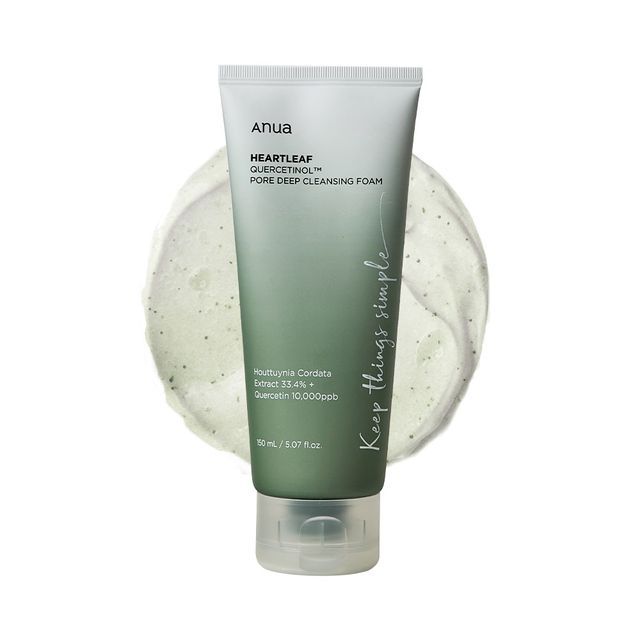
Cleanser
Anua Heartleaf Pore Control Cleansing Oil
Soothing, gentle cleansing, ideal for sensitive and irritated skin
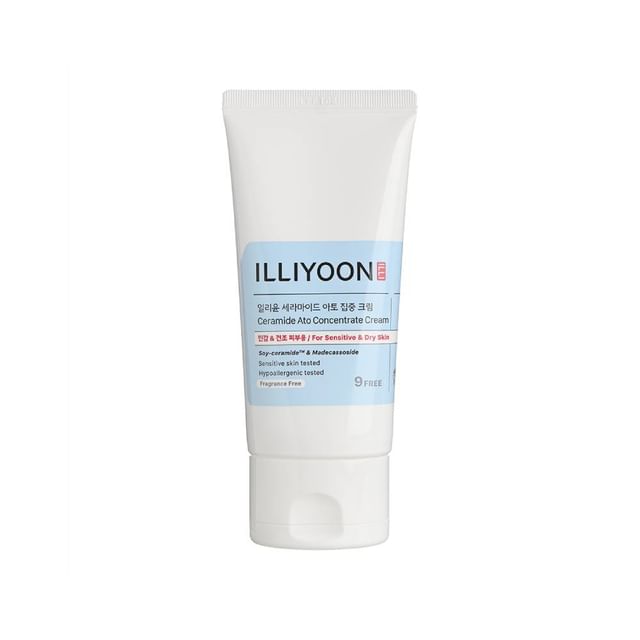
Moisturizer
Illiyoon Ceramide Ato Concentrate Cream
Rich in ceramides, ideal for barrier repair
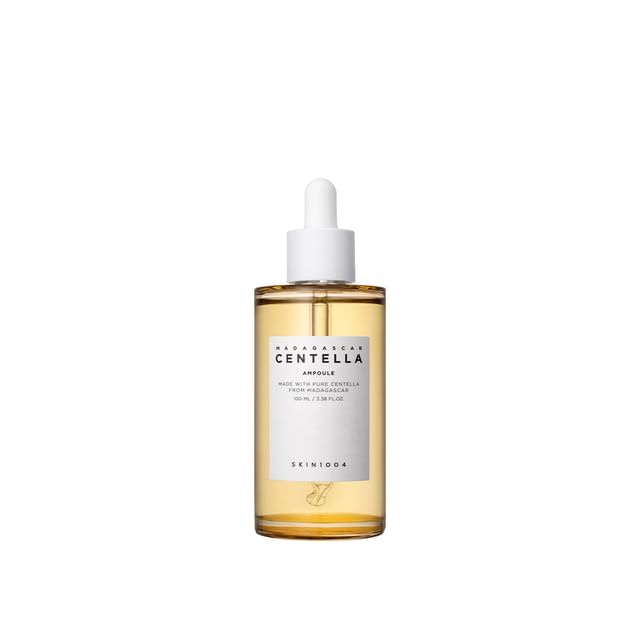
Serum
SKIN1004 Madagascar Centella Ampoule
Calms redness and supports barrier recovery

Sunscreen
Beauty of Joseon Relief Sun SPF50+
Lightweight, calming, perfect for daily use
Affiliate disclosure: We may earn a small commission if you purchase through these links at no extra cost to you.
30–90 day recovery timeline
Ingredients that help and ingredients to avoid
Helpful during recovery:
- Ceramides
- Panthenol (Pro-Vitamin B5)
- Centella Asiatica
- Hyaluronic acid
- Glycerin
- Beta-glucan
Avoid during recovery:
- Exfoliating acids — AHAs and BHAs
- Retinol and retinoids
- Fragrance and parfum
- Physical scrubs
- Essential oils
Common mistakes to avoid
- Restarting tretinoin too early — wait until your skin is fully stable for at least two weeks.
- Using too many products at once — even healing products can overwhelm a compromised barrier.
- Skipping moisturizer — this is the most important step during recovery.
- Continuing to exfoliate — any exfoliation delays healing.
- Switching products frequently — your skin needs consistency to repair.
Recovery does not require more products. It requires removing irritation, rebuilding gradually, and staying consistent.
Start repairing your skin barrier today
See the full step-by-step guide with routine, ingredients, and product picks.
Complete Skin Barrier Repair Guide →